
Table of Contents
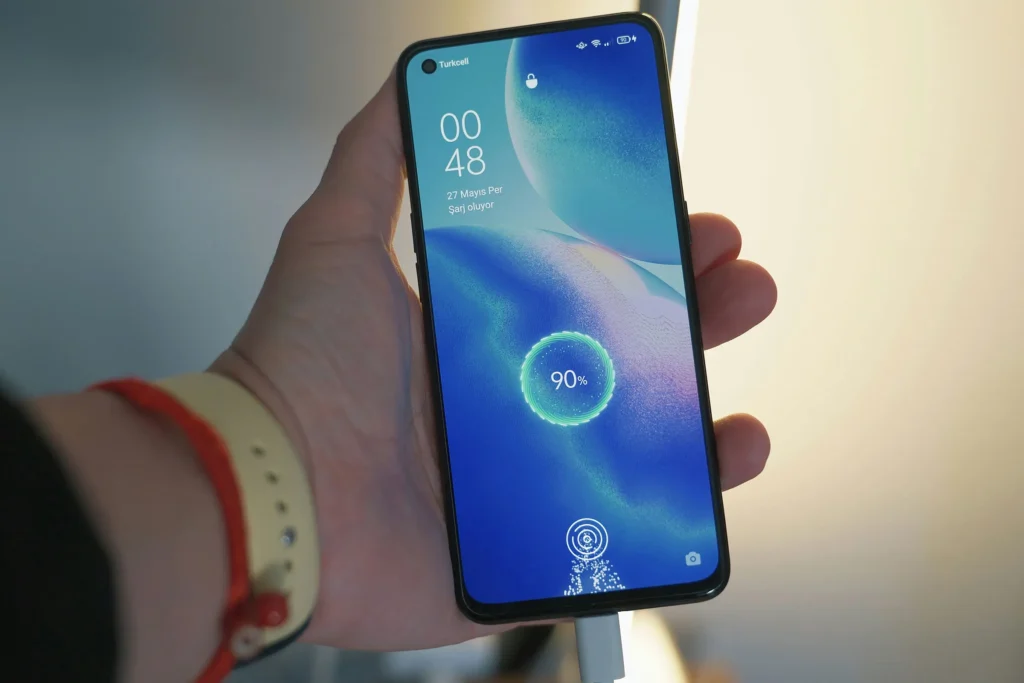
Feeling your phone heat up while charging can be alarming. Many users worry that heat means imminent battery failure, safety risks, or permanent damage. In reality, some heat during charging is normal, but excessive or persistent heat can signal deeper issues that shouldn’t be ignored.
In this guide, we’ll explain why devices heat up while charging, when it’s harmless, when it becomes dangerous, how it affects long-term battery health, and what you should do immediately if your device gets too hot.
Why devices heat up while charging
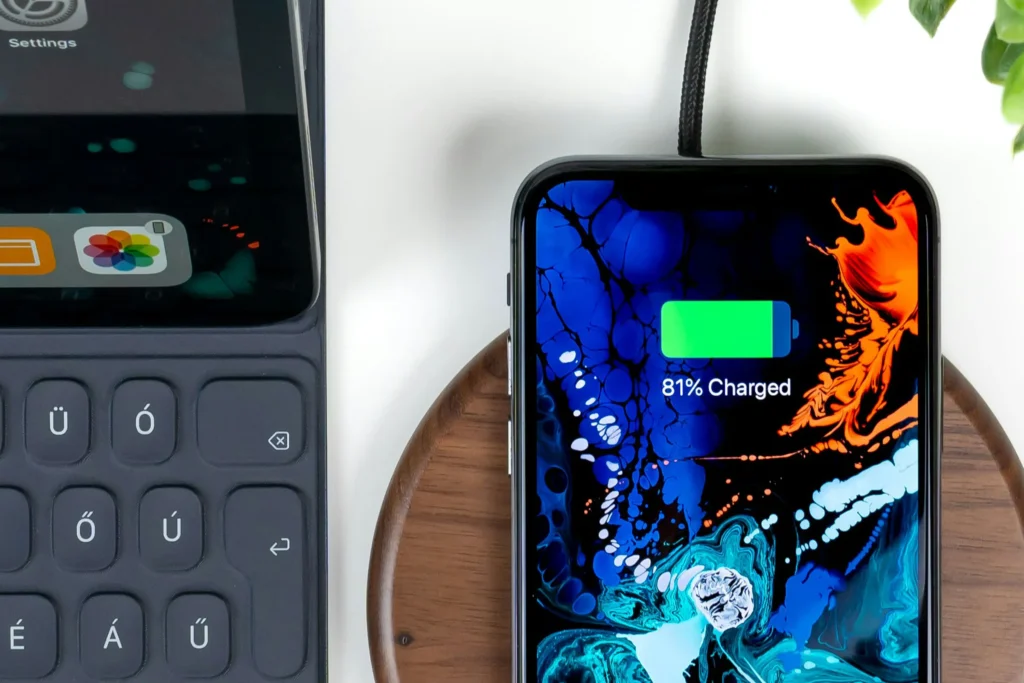
Heat is a natural byproduct of charging
Whenever electricity flows into a battery, energy conversion creates heat. This happens in:
- The charging adapter
- The charging cable
- The phone’s internal battery
A slight temperature increase is expected, especially during fast charging.
Lithium batteries and heat sensitivity
Lithium-ion batteries are efficient but thermally sensitive. As they charge:
- Chemical reactions accelerate
- Internal resistance generates warmth
- Protection systems monitor temperature continuously
Heat itself isn’t dangerous—uncontrolled heat is.
Normal vs abnormal charging heat
What “normal” charging heat feels like
Normal heat usually means:
- The device feels warm, not hot
- Heat fades after unplugging
- Charging speed remains stable
This often happens when charging from low battery levels.
Signs charging heat may be dangerous
You should be concerned if:
- The device becomes too hot to touch
- Charging slows or stops suddenly
- Battery percentage jumps or drops
- The device shuts down during charging
These signs suggest the phone is actively protecting itself from damage.
Common causes of overheating during charging
Fast charging technology
Why fast charging generates more heat
Fast charging pushes higher current into the battery, which:
- Increases charging speed
- Increases thermal stress
This is why phones heat up more during:
- The first 30–50%
- Fast charging modes
Is fast charging unsafe?
Not inherently. Modern phones regulate power dynamically, but poor conditions can still cause overheating.
Using the device while charging
High CPU and GPU usage
Activities like:
- Gaming
- Video streaming
- GPS navigation
generate heat at the same time the battery is charging, compounding thermal load.
Background apps and processes
Some apps continue heavy processing even when the screen is off, contributing to heat buildup.
This behavior often overlaps with issues discussed in
Battery drains fast without use: is something wrong?
because background activity increases both heat and battery drain.
Environmental temperature
Hot surroundings
Charging in:
- Hot rooms
- Direct sunlight
- Cars during summer
prevents proper heat dissipation.
Insulation issues
Charging under:
- Pillows
- Thick phone cases
- Soft surfaces
traps heat and increases internal temperature rapidly.
Charging equipment problems
Low-quality or damaged chargers
Non-certified chargers may:
- Deliver unstable voltage
- Lack proper heat regulation
- Overload internal charging circuits
This often leads to localized heat near the charging port.
Worn or dirty charging ports
Debris or corrosion can:
- Increase electrical resistance
- Cause uneven power flow
- Create heat at connection points
This is why some phones heat up only at the bottom while charging.
Battery condition and aging
How battery aging increases heat
As batteries age:
- Internal resistance rises
- Efficiency drops
- More energy converts to heat instead of stored charge
Older batteries often heat up even during slow charging.
Warning signs of battery-related overheating
- Heat appears even at low charge levels
- Battery drains faster than before
- Charging never reaches full capacity
These symptoms often correlate with broader battery health problems.
Software and system-level causes
Charging optimization features
Some phones intentionally:
- Slow charging
- Pause charging
- Limit charging at certain temperatures
This can feel like a problem, but it’s actually thermal protection.
Bugs after system updates
Occasionally, software updates introduce:
- Charging management bugs
- Background processes that increase heat
- Inaccurate temperature readings
If overheating started after an update, software may be the trigger.
How overheating affects battery lifespan
Short-term effects
Temporary heat may cause:
- Slower charging
- Reduced performance
- Temporary battery drain
Long-term damage
Repeated overheating accelerates:
- Chemical degradation
- Capacity loss
- Sudden battery percentage drops
This explains why users experiencing frequent charging heat often later report:
- Standby battery drain
- Sudden power loss
Both issues connect directly to the broader battery drain problem ecosystem.
What to do if your device heats up while charging
Immediate actions
- Unplug the charger
- Remove the phone case
- Let the device cool naturally
- Avoid placing it in cold environments suddenly
Improve charging habits
- Use original or certified chargers
- Charge on hard, flat surfaces
- Avoid heavy usage while charging
- Keep the device in a cool area
Check battery and system health
- Review battery usage statistics
- Look for abnormal background apps
- Update to the latest stable system version
When to stop charging and seek help
Stop charging immediately if:
- The device becomes extremely hot
- You notice swelling or deformation
- The phone shuts down repeatedly
Professional inspection may be needed if:
- Overheating happens every charge
- Battery life degrades rapidly
- Charging behavior becomes inconsistent
Is charging heat always a battery problem?
Not always. Heat can originate from:
- Chargers
- Cables
- Environment
- Software behavior
However, chronic charging heat is often linked to battery health and power management, making it an important early warning sign.
How this relates to overall battery drain
Charging heat and battery drain are closely connected:
- Heat increases chemical wear
- Worn batteries generate more heat
- Background activity worsens both
To understand the full picture of battery health and hidden drain causes, read:
👉 Battery drains fast without use: is something wrong?
This article explains how idle drain, background activity, and system behavior contribute to long-term battery problems.
Final verdict: is it dangerous?
- 🔹 Mild warmth during charging → Normal
- 🔸 Frequent or intense heat → Warning sign
- 🔴 Extreme heat → Potentially dangerous
Your device heating up while charging isn’t automatically a disaster—but ignoring repeated overheating can shorten battery lifespan and create safety risks over time.
Understanding the causes early helps you protect both your device and your data.