Table of Contents
Introduction
It can be extremely frustrating when your Bluetooth headphones show as connected, yet no audio comes out. The device confirms pairing, media is playing, and everything appears normal — but there is complete silence.
If you’re searching for “bluetooth connects but no sound”, you’re not alone. This issue affects smartphones, tablets, laptops, smart TVs, and even car audio systems. The problem is surprisingly common and usually not a sign of permanent damage.
Before assuming your headphones are broken, it’s important to understand that this issue often stems from:
- Incorrect audio output settings
- Volume or balance configuration problems
- Software bugs
- Firmware glitches
- Bluetooth interference
- Low battery behavior
- Codec compatibility conflicts
In many cases, the problem is fixable within minutes.
If you’re also experiencing uneven sound or only one side working, you may want to read our complete diagnostic guide:
Headphones work on one side only: is it broken?
That article covers hardware imbalance and internal driver issues in detail.
Now, let’s break down why Bluetooth connects but no sound plays, and what may actually be happening behind the scenes.
Common Causes When Bluetooth Connects But No Sound Plays

When Bluetooth connects but no sound comes out, the issue usually falls into one of four categories:
- Device configuration errors
- Headphone hardware or battery limitations
- Connectivity interference
- Software or firmware conflicts
Understanding which category your problem belongs to makes troubleshooting far more efficient.
Device Settings Issues
Most “bluetooth connects but no sound” cases are caused by simple configuration problems — not hardware failure.
Audio Output Not Properly Selected
Modern devices can route audio to multiple outputs:
- Phone speaker
- Bluetooth headset
- Smartwatch
- Car stereo
- HDMI monitor
- Smart TV
Sometimes your device connects to Bluetooth successfully but continues sending audio to a different output.
How This Happens
- You previously used wired headphones
- You connected to a car system earlier
- Your device auto-switched to a different Bluetooth device
- A media app manually selected another output
How to Check
On most smartphones:
- Open Control Center or Quick Settings
- Tap Audio Output / Media Output
- Ensure your Bluetooth headphones are selected
On Windows:
- Right-click speaker icon → Sound Settings
- Confirm your Bluetooth device is set as default output
On macOS:
- System Settings → Sound → Output
- Select your Bluetooth headphones
If Bluetooth connects but no sound plays, this should always be your first check.
Volume Is Muted or Extremely Low
Sometimes volume is technically “on” but effectively silent.
This can happen because:
- Media volume is low
- Bluetooth volume is separate from system volume
- Headphones have independent onboard volume control
- App-specific volume is reduced
Some headphones also remember their last internal volume level. If it was set very low, reconnecting may result in near-silence.
Important: Check Volume Balance
In accessibility settings, some devices allow left/right balance adjustments. If balance is pushed fully to one side, it may appear as if there is no sound.
App-Specific Audio Settings
Some streaming or conferencing apps override system audio behavior.
Common scenarios include:
- Zoom selecting “Phone Speaker” instead of Bluetooth
- Spotify outputting to another device
- YouTube defaulting to internal speaker
- Gaming apps locking audio channel
Always verify within the app:
- Audio output device
- Call audio routing
- Media routing
- Voice vs media channel
If Bluetooth connects but no sound appears only in certain apps, the issue is almost certainly app-level — not hardware.
Headphone Hardware or Battery-Related Issues
While less common, hardware or battery conditions can also cause silence.
Low Battery Behavior
Many users underestimate how battery level affects Bluetooth audio performance.
Even if your headphones show 10–20% battery:
- Internal amplifiers may reduce output
- One earbud may shut down
- Audio codec may fail to initialize
- Sound may cut out completely
True wireless earbuds are especially sensitive. If one earbud drains faster, you may experience partial or total silence.
Fully charging both earbuds and the case is a critical troubleshooting step.
Internal Speaker or Driver Malfunction
If Bluetooth connects but no sound plays consistently — across devices — there may be a driver issue.
Signs of hardware malfunction include:
- Crackling before total silence
- Distorted audio previously
- Sound only when pressing or adjusting headset
- Sound works via cable but not via Bluetooth
Testing across multiple devices is essential.
If the problem persists everywhere, hardware failure becomes more likely.
Faulty Internal Amplifier Circuit
Bluetooth headphones contain:
- Bluetooth receiver module
- DAC (digital-to-analog converter)
- Amplifier circuit
- Speaker drivers
If the amplifier circuit fails:
- Device connects normally
- Media timeline moves
- No sound output
This scenario is less common but possible, especially after drops or water exposure.
Connectivity & Interference Problems
Bluetooth is a 2.4 GHz wireless protocol. It shares frequency space with:
- Wi-Fi routers
- Microwaves
- Smart home devices
- Wireless keyboards
- Other Bluetooth devices
Interference can cause audio dropouts or total silence.
Range Limitations
Bluetooth range typically:
- 10 meters (Bluetooth 4.x)
- 20–30 meters (Bluetooth 5.x in ideal conditions)
Walls, metal, and interference reduce range significantly.
If Bluetooth connects but no sound occurs when you move away from your device, interference or signal weakening may be responsible.
Multiple Paired Devices Conflict
Many headphones support multi-device pairing.
Problems occur when:
- Headphones are connected to two devices simultaneously
- Another device hijacks audio
- Auto-switching misroutes sound
For example:
Your headphones may connect to your laptop silently while you try to play audio on your phone.
Solution:
- Disable Bluetooth on secondary devices
- Forget device on unused systems
- Re-pair cleanly
Software or Firmware Bugs
Software inconsistencies are one of the most underestimated causes of Bluetooth silence.
Outdated Firmware
Manufacturers release firmware updates to fix:
- Codec errors
- Connectivity instability
- Audio routing bugs
- Battery reporting errors
If your Bluetooth connects but no sound plays randomly, check the manufacturer’s app for firmware updates.
Operating System Bugs
Major OS updates sometimes break Bluetooth compatibility.
Common symptoms:
- Works before update
- Silence after update
- Works again after restart
Rebooting your device often restores audio routing temporarily.
Why This Problem Feels So Confusing
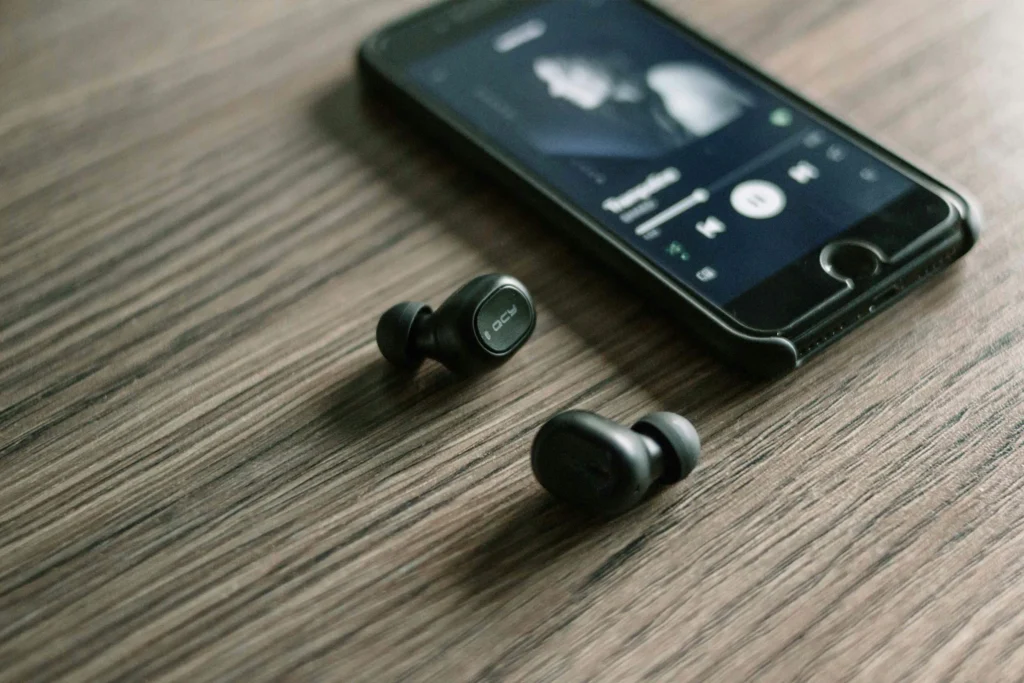
When Bluetooth connects but no sound plays, users feel misled because:
- The connection appears successful
- Media timeline moves normally
- No error message appears
- Device battery seems fine
The system doesn’t detect failure — because technically, the connection is active. The failure happens in the audio routing layer, codec initialization, amplifier stage, or app-level output selection.
Understanding this distinction prevents unnecessary replacements.
If bluetooth connects but no sound continues to occur after basic checks, it’s time for a structured diagnostic process.
The key is to isolate variables:
- Device issue
- Headphone issue
- Software issue
- Interference issue
Follow the order below — do not skip steps.
Step 1 – Confirm Audio Routing at System Level
Even if Bluetooth connects successfully, the operating system may not be routing audio correctly.
Force Manual Output Selection
Go into your device’s sound settings and manually re-select the Bluetooth device.
Then:
- Switch to speaker
- Switch back to Bluetooth
- Play test audio
This forces the audio stack to reinitialize.
If bluetooth connects but no sound persists after forcing output change, move to next step.
Check Volume Synchronization (Absolute Volume)
Some Android systems use “Absolute Volume,” which synchronizes device and headphone volume.
If desynchronized:
- Device shows 50%
- Headphones internally at 0%
Disable Absolute Volume (Developer Options) and retest.
Inspect Accessibility Balance Settings
If balance is fully left or right:
- One side may appear dead
- Or silence if one driver already weak
This strengthens cluster connection to the pillar.
Step 2 – Fully Reset Bluetooth Connection
Temporary pairing corruption is common.
Forget and Re-Pair Device
- Go to Bluetooth settings
- Select headphones
- Tap “Forget”
- Restart both devices
- Re-pair from scratch
Why this works:
- Clears corrupted profile cache
- Reinitializes A2DP profile
- Resets codec negotiation
Many cases of bluetooth connects but no sound resolve here.
Factory Reset Headphones
Every brand has a reset sequence:
- Hold power 10–15 seconds
- Tap both earbuds simultaneously
- Hold case button
Reset clears:
- Paired device memory
- Firmware soft faults
- Channel desynchronization
If your earbuds were previously draining unevenly, silence could stem from power imbalance.
Uneven battery discharge can also lead to performance instability. Learn more here:
Battery drains fast without use: is something wrong?
Step 3 – Test With Another Device
This is the most important isolation step.
Connect to a Different Phone or Laptop
If bluetooth connects but no sound occurs on:
- Phone A
- Phone B
- Laptop
- Tablet
Then hardware becomes more likely.
If it works on another device → issue is software-based on primary device.
Test With Wired Mode (If Supported)
If your headphones allow wired connection:
- Plug into 3.5mm jack
- Play audio
Results:
| Scenario | Likely Cause |
|---|---|
| Wired works, Bluetooth silent | Bluetooth module issue |
| Wired silent too | Driver or amplifier issue |
| Both work elsewhere | Device-level bug |
This step prevents unnecessary replacement.
Step 4 – Check for Firmware & OS Conflicts
Bluetooth audio depends on codec negotiation.
Codec Compatibility Problems
Common codecs:
- SBC (universal)
- AAC (Apple optimized)
- aptX
- LDAC
If negotiation fails:
- Device connects
- Media timeline moves
- No audio output
This can happen after updates.
If you started noticing issues after a system update, this guide explains why performance changes can occur:
Battery life shorter after update: what to do?
Clear Bluetooth Cache (Android)
Advanced step:
- Settings → Apps
- Show system apps
- Bluetooth → Storage
- Clear cache
Restart device.
This resets Bluetooth service without deleting user data.
Restart Audio Services (Windows/macOS)
On Windows:
- Restart Windows Audio service
- Restart Bluetooth Support Service
On macOS:
- Reset Bluetooth module via debug menu
This fixes silent audio routing bugs.
Step 5 – Rule Out Interference & Signal Instability
Bluetooth shares frequency with Wi-Fi.
Reduce Wireless Congestion
Try:
- Turn off nearby Bluetooth devices
- Move away from router
- Disable 2.4GHz Wi-Fi temporarily
If bluetooth connects but no sound only in certain rooms, interference is likely.
Distance & Obstruction Testing
Stand next to device.
If sound returns:
- Weak signal was preventing stable audio stream
Even though connection icon shows active, audio packets may fail.
Advanced Diagnostic Flow (Structured Logic)
To truly isolate bluetooth connects but no sound:
If It Works After Restart
→ Temporary software glitch
No hardware replacement needed.
If It Works on Other Devices
→ Your primary device has OS-level routing bug.
If It Never Works Anywhere
→ Possible hardware amplifier failure.
If One Earbud Silent Only
→ Channel desync or battery imbalance.
When Should You Consider Replacement?
You should consider replacement only if:
- Factory reset fails
- Tested across 3+ devices
- Fully charged
- Wired mode also silent
- Firmware updated
If bluetooth connects but no sound still persists under all conditions, internal circuitry may be damaged.
Understanding the Bluetooth Audio Stack (Why Silence Happens Even When Connected)
To fully understand why bluetooth connects but no sound occurs, we need to briefly examine how Bluetooth audio actually works.
A successful connection does NOT guarantee audio output.
There are multiple layers involved:
- Pairing authentication
- A2DP profile activation
- Codec negotiation
- Audio routing
- Digital-to-Analog conversion
- Amplifier output
- Driver vibration
If any single layer fails, you may experience total silence.
A2DP Profile Failure
Bluetooth audio uses the A2DP (Advanced Audio Distribution Profile).
Sometimes:
- Device connects for calls only
- Media profile fails silently
- Headphones appear connected but no media sound plays
You can check this in Bluetooth settings:
- Ensure “Media Audio” is enabled
- Not just “Call Audio”
This is a surprisingly common reason bluetooth connects but no sound appears during music playback.
Codec Negotiation Errors
When devices connect, they agree on a codec.
If:
- One device prefers AAC
- The other struggles with AAC
- Negotiation times out
The connection remains active — but audio stream never initializes.
Switching codec (Android developer options) can resolve this instantly.
Amplifier Power Gating Behavior
Modern wireless headphones use power-saving circuitry.
If battery is low:
- Amplifier stage may not activate
- Audio path remains silent
- Device still shows connected
This explains why silence sometimes appears randomly.
Preventive Best Practices
Once you fix bluetooth connects but no sound, prevention matters.
Keep Firmware Updated
Manufacturers fix:
- Codec bugs
- Routing issues
- Multi-device switching instability
Use official apps to check updates monthly.
Avoid Multi-Device Auto-Switch Chaos
Many modern headphones auto-switch between devices.
Disable auto-connect on secondary devices if:
- You frequently experience silent connections
- Audio randomly routes elsewhere
Fully Charge Before Critical Use
Low battery causes:
- Amplifier shutdown
- Uneven earbud discharge
- Desync between channels
Reset After Major OS Updates
Major system updates can corrupt Bluetooth routing tables.
If you notice bluetooth connects but no sound immediately after an update:
- Forget device
- Restart
- Re-pair
Frequently Asked Questions
Why does Bluetooth connect but no sound only in certain apps?
This usually indicates app-level output routing.
Apps like:
Zoom
Discord
Spotify
YouTube
Allow manual output selection.
Check inside app audio settings before assuming hardware failure.
Can low battery really cause total silence?
Yes.
Even at 10–20%, amplifier circuits may:
Reduce output
Fail to initialize
Shut down one channel
Always test at 100% charge.
Why does this problem happen randomly?
Because Bluetooth audio relies on:
Wireless stability
Codec handshake
OS routing
Minor glitches can disrupt initialization even though connection remains visible.
Should I replace my headphones immediately?
Only after confirming:
Tested on 2–3 devices
Factory reset performed
Fully charged
Firmware updated
Wired mode tested (if available)
Replacing too early wastes money in many cases.
Why does only one earbud go silent sometimes?
True wireless earbuds rely on master-slave synchronization.
If sync fails:
One earbud may connect
The other remains inactive
For full single-earbud troubleshooting, read:
Headphones work on one side only: is it broken?
When Silence Signals Real Hardware Failure
After exhausting all troubleshooting:
If bluetooth connects but no sound persists across:
- Multiple devices
- Factory resets
- Full charge
- Firmware updates
Then likely causes include:
- Internal amplifier damage
- Driver failure
- Moisture corrosion
- Board-level Bluetooth DAC malfunction
In such cases, replacement becomes reasonable.
Final Conclusion of Bluetooth audio connects but no sound
If bluetooth connects but no sound appears, the issue is usually not catastrophic.
In most cases, the root cause is:
- Incorrect audio routing
- App-level configuration
- Codec negotiation errors
- Low battery amplifier behavior
- Multi-device auto-switch interference
Only after systematic elimination should hardware failure be suspected.
By following the structured troubleshooting process above, you can confidently identify whether your issue is:
- Temporary
- Software-based
- Battery-related
- Or truly hardware damage
This approach prevents unnecessary replacement and strengthens your technical understanding of how wireless audio systems function.